Pillow sizes explained: standard, queen, king and the ones in between
Pillow size names are not standardised and nobody says so. Here is what each one covers, which mattress it spans, and why two standards on a queen bed leave a hole.
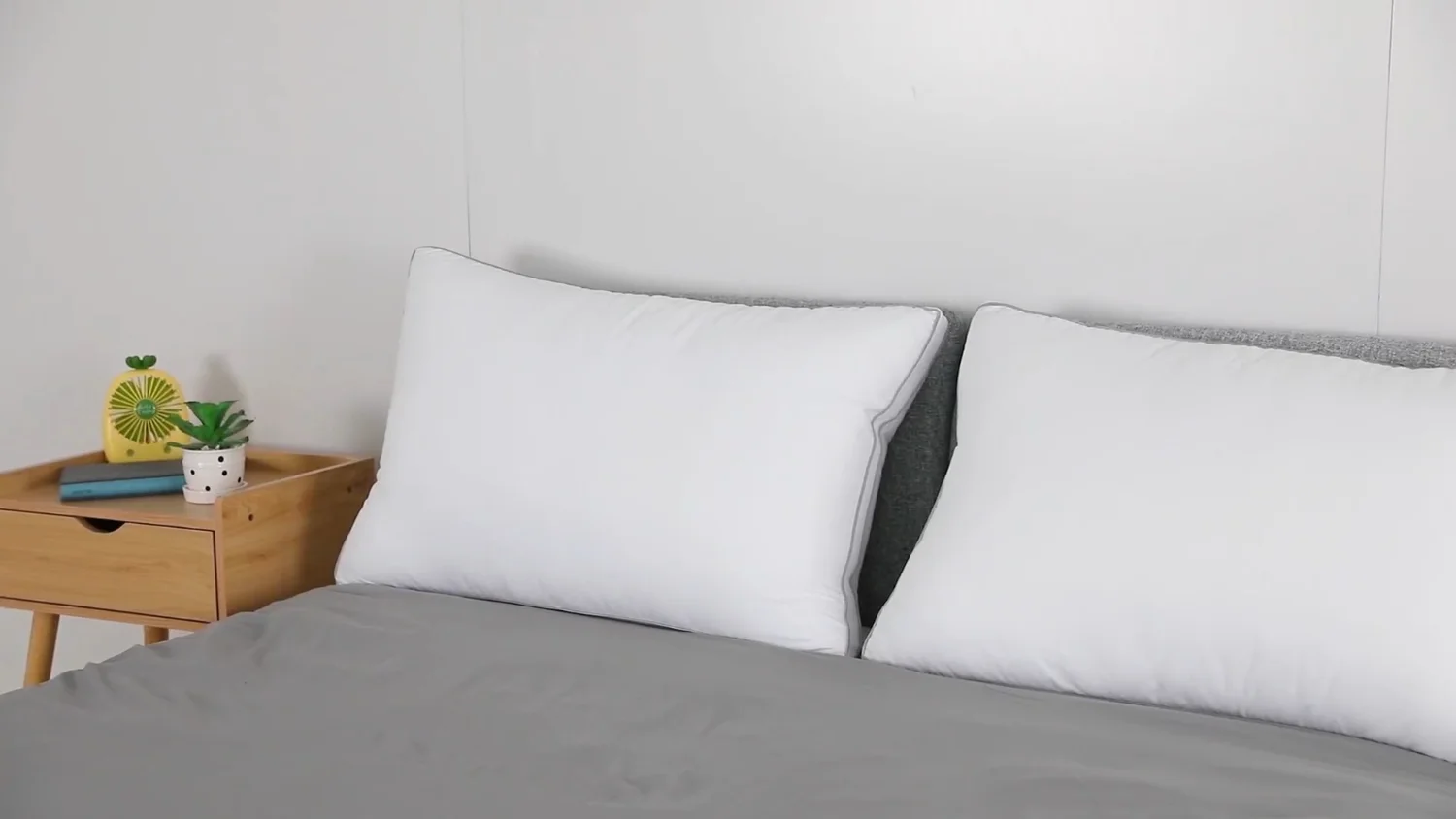
A mattress size is a specification. A queen mattress is sixty inches by eighty, everywhere, from every maker, and a queen sheet fits it. A pillow size is not a specification. It is a name, and the same name covers different measurements depending on who printed the label.
This causes two problems: a pillowcase that will not go on, and a bed with a gap in the middle of the headboard. Both are avoidable, and both start with knowing what the names actually mean.
The four names, and roughly what they cover
These are the ranges you will meet across the American market. The width is nearly always twenty inches; it is the length that carries the name.
| Name | Typical size | Range you will meet | Cased by |
|---|---|---|---|
| Standard | 20 x 26 in | 20 x 25 to 20 x 27 | A standard pillowcase |
| Super standard | 20 x 28 in | Rare, sold under several names | A standard case, tightly |
| Queen | 20 x 30 in | 20 x 28 to 20 x 30 | A queen case; a standard case will be tight |
| King | 20 x 36 in | 20 x 34 to 20 x 36 | A king case |
Note the overlap between super standard and queen. That band, somewhere between twenty seven and twenty eight and a half inches, is where most of the confusion in this category lives, and it is why several makers including us sell a pillow labelled for both.
What our own size names cover
We would rather set this out plainly than let you infer it. Four size names appear across Viewstar pillow sizes, and one of them is a compromise size that exists precisely because of the overlap above.
- Standard is the smallest, and a standard pillowcase is cut for it.
- Queen / Standard is the compromise. Longer than a standard, shorter than a queen, and the one that suits a person who finds a queen pillow too long on a smaller bed.
- Queen is the main bedroom default and what most of our catalogue sells in.
- King is the long one, for a king bed or as a bolster against a headboard.
A measurement appears on our product pages only where the packaging for that particular pillow states one. On a handful of queens two of our own records disagree, one saying twenty by thirty and the other twenty by twenty seven and a half, and rather than print the one we prefer we print neither and say so. The full list is on the pillow sizes page.
Which size spans which bed
This is the part that decides how a made bed looks, and the arithmetic is simple enough to do in your head. A pillow is twenty inches wide and the pillow lies across the bed, so the length of the pillow is what has to add up to the width of the mattress.
| Mattress | Width | Two pillows of | Covers | Verdict |
|---|---|---|---|---|
| Twin | 38 in | One standard | 26 in | One pillow is the whole answer |
| Full | 54 in | Two standards | 52 in | Fits with two inches to spare |
| Queen | 60 in | Two standards | 52 in | Eight inches of gap in the middle |
| Queen | 60 in | Two queens | 60 in | Exact. This is why queen pillows exist |
| King | 76 in | Two queens | 60 in | Sixteen inches uncovered |
| King | 76 in | Two kings | 72 in | Four inches short, which reads as deliberate |
The queen row is the one worth remembering. Two standard pillows on a queen bed leave a valley in the centre, and a person who moves in the night finds it. It is the single most common bedding mismatch in an American bedroom.
Pillowcases, and the two inch rule
A pillowcase should be about two inches longer than the pillow. Less than that and the pillow strains the seams and will not tuck. More than about four and the case bags at the end and looks unmade however carefully you smooth it.
This is where the queen band bites. A pillow at twenty seven and a half inches goes into a standard case, tightly, and into a queen case, loosely. Neither is wrong; they look different on a bed, and if you already own a drawer full of cases, that is the constraint to buy around rather than the pillow.
How many pillows a bed actually needs
Two per sleeper is the usual answer, and it is usually about right, but the reasoning behind it is worth stating because it changes what you buy.
One pillow per person is what you sleep on. The second is either a spare at a different loft, for the nights you end up on your front, or a decorative front pillow that sits against the headboard through the day and comes off at night. Those two jobs are different, and the second one does not need to be a good pillow at all.
| Role | How many | What suits it |
|---|---|---|
| Sleeping pillows | 2, one per person | Chosen individually by sleeping position, matching cases |
| Second layer against the headboard | 2 | Anything at the same size; loft does not matter |
| Spare at a different loft | 1 | Useful for guests and for the nights your usual pillow is wrong |
Buying for a guest room
A guest room is the one case where you are buying for a person whose shoulders you have not measured, and the right answer is different from the one for your own bed.
- Go medium rather than firm. A medium pillow disappoints nobody badly; a firm pillow is actively wrong for a front sleeper.
- Provide two lofts if you can, and say so. A firm pillow and a soft one on the same bed lets a guest solve their own problem without asking.
- Match the size to the bed rather than to your own preference, so the cases you already own fit.
- Wash and dry them fully before the first guest. A pillow straight out of a vacuum bag has not reached its loft yet.
The short version
If you remember three things from this page: pillow names are not standardised, so measure rather than assume. Two standards do not cover a queen bed. And a pillowcase wants to be two inches longer than what goes in it.
Which loft to buy once the size is settled is worked through in How to choose a pillow for the way you actually sleep, and how to keep the thing alive is in Washing, drying and replacing pillows without ruining them. Every size in the catalogue, with the models that come in it, is on the sizes page.