Washing, drying and replacing pillows without ruining them
More pillows are destroyed in the dryer than in the wash. The method, the frequency, and the fold test that tells you when one is finished.
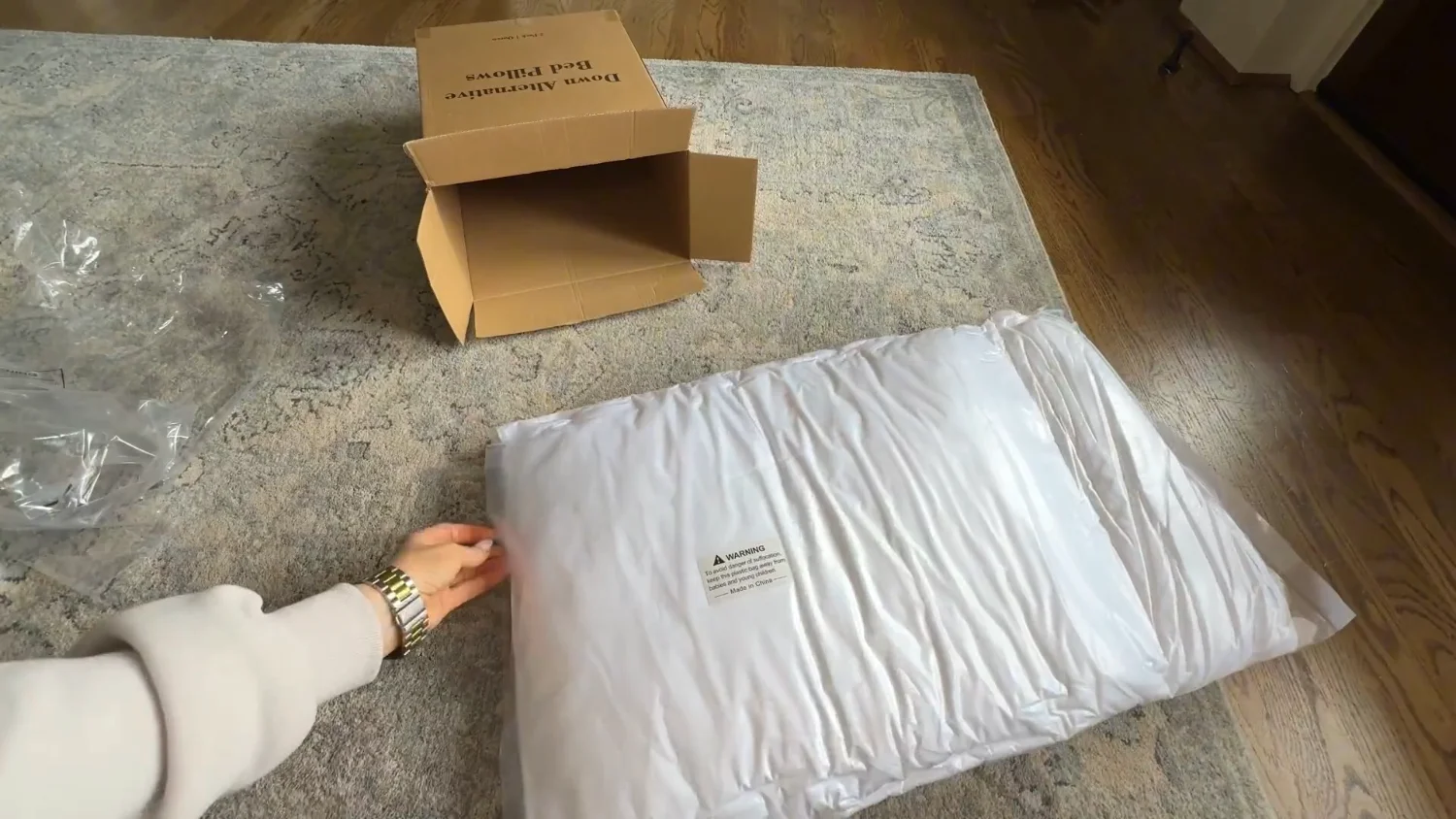
People wash their sheets weekly and their pillows never. That is understandable, because a pillow is the item most likely to come out of the wash worse than it went in, and everybody has ruined one. The method is not complicated; it just has more steps that matter than a load of towels does.
Before anything else: where a pillow must not be
One rule sits outside laundry entirely and belongs at the top of any page about pillows, because it is the only place in this subject where the stakes are not comfort.
Nothing in this catalogue is made for a crib, and nothing here should be put in one.
How often, and what the frequency is actually for
Two different things get washed on two different schedules, and confusing them is why people either wash too much or not at all.
| Item | How often | What it is for |
|---|---|---|
| Pillowcase | Weekly | Skin oils, hair products, and dust mite allergen |
| Pillow protector | Weekly or fortnightly | The barrier that keeps the fill itself clean |
| Pillow | Two or three times a year | What gets through the layers above it |
| Pillow, if there is an allergy in the house | Every three months | Allergen load rather than visible dirt |
If anybody in the house has asthma or a dust mite allergy, the weekly item is the one that matters, and the water temperature is part of the instruction rather than a detail.
The practical version: a protector under the case means the weekly hot wash lands on a purpose made barrier rather than on the pillow, and the pillow itself needs washing far less often.
Washing a fibre pillow
- Two at a time, or one balanced against something of similar weight. A single pillow in a drum goes off balance on the spin and the machine will stop halfway through and sulk.
- Warm water and a mild detergent, about half the dose you would use for clothes. Fibre fill holds detergent, and what it holds is what makes a washed pillow feel stiff.
- No fabric softener. It coats the fibre, and coated fibre does not loft. This is the single most common way to make a pillow permanently flatter.
- An extra rinse cycle. This is not optional on a pillow. One rinse leaves detergent deep in the fill where you cannot feel it until it dries.
- A gentle spin. A hard spin compacts fill into the corners and it takes the whole dryer cycle to get it back out.
Drying, which is where pillows actually die
The shell of a pillow dries in twenty minutes. The middle of the fill takes hours. Almost every ruined pillow is one that was taken out when the outside felt dry, put back on a bed damp in the centre, and then smelled of a cellar within a week.
- Low heat. Polyester fibre shrinks and mats above a certain temperature, and matted fill never recovers its loft. Low and long beats hot and quick every time.
- Two clean dry towels in with the pillows for the first cycle. They pull moisture across and shorten the total time considerably.
- Two dryer balls, or clean tennis balls in a sock. They knock the clumps apart as the fill dries, which is the difference between a pillow and a lumpy bag.
- Take it out, squeeze the middle, and if there is any cool damp in there, run it again. Then run it once more than you think it needs.
- Finish in air if you can. An hour flat on a rack with air on both sides is the cheapest insurance against the smell.
If it already smells
A pillow that smells musty has usually been dried incompletely at some point, and the answer is a proper wash and a much longer dry rather than anything clever.
- Add half a cup of white vinegar to the rinse. It neutralises rather than masks, and it rinses out entirely.
- Skip any scented product. Scent on top of must is worse than must.
- Dry it twice as long as you think, and finish it in air.
- If it still smells after that, the fill has taken on moisture repeatedly and the pillow is finished. That is a real outcome and not a laundry failure.
The yellow stain, which is not dirt
Almost every pillow older than a year has a yellowish shadow in the middle. It is sweat and skin oil oxidising in the shell, and it is normal rather than a sign of neglect. It also does not come out completely, whatever the internet says about borax and sunshine.
It is worth knowing what it means: the shell has been in contact with skin oil for a long time, which is a good argument for a protector rather than for a stronger detergent.
When to replace one
The fold test is old and still the best. Fold the pillow in half and let go. A fibre pillow with life in it opens back out on its own. One that stays folded has lost the spring in its fill, and nothing will bring it back.
| Signal | What it means | What to do |
|---|---|---|
| Stays folded after the fold test | The fill has lost its resilience | Replace it |
| Lumpy in patches after washing | Fill has matted, usually from heat | Try one more low dry with balls; if it stays, replace it |
| You wake with a stiff neck and nothing else changed | It has flattened gradually under you | Replace it, and check the loft against your position |
| Musty after a proper wash and long dry | Moisture has been in the fill repeatedly | Replace it |
| Yellow shadow, otherwise springy | Normal oxidised skin oil | Nothing. Use a protector from now on |
Two to three years is a reasonable working life for a fibre pillow in nightly use. A pillow used only in a guest room lasts far longer, and one that has been through a hot dryer a few times lasts a good deal less.
Storing a spare
A spare pillow wants air, not a vacuum bag. Compressing fibre for months does the same thing to it that a hot dryer does, only slower, and a pillow that comes out of a storage bag flat has not been damaged in transit; it has been damaged by the bag.
A cotton bag or an old pillowcase on a shelf is the whole method. Somewhere dry, with air around it, and shaken out before it goes on a bed.
How to pick the loft in the first place is in How to choose a pillow for the way you actually sleep, what the size names cover is in Pillow sizes explained: standard, queen, king and the ones in between, and the range itself is on Viewstar.